Carbonate

Magnesite

White magnesium carbonate, usually massive with a porcelain-like texture crossed by grey veining. Frequently dyed to imitate turquoise or lapis.
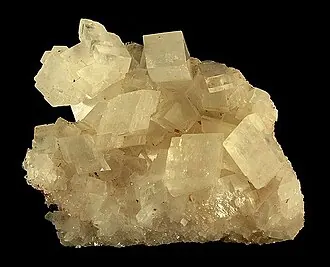
Magnesite — mineral specimen
Reference photograph: Robert M. Lavinsky, CC BY-SA 3.0 · source. Specimens in the shop vary.

Judging quality

Natural magnesite is chalky white with brown-grey veining. Vivid colored 'magnesite' beads are dyed, which is common and inexpensive.

Care

Porous and soft. Keep away from oils and colorants.

History & lore

Magnesite is the primary source of magnesia refractory brick, which lines steel furnaces worldwide.

Cultural history, recorded as tradition rather than as medical or scientific claim.

Common questions about Magnesite

What is Magnesite?
White magnesium carbonate, usually massive with a porcelain-like texture crossed by grey veining. Frequently dyed to imitate turquoise or lapis.
How hard is Magnesite and what is it made of?
Magnesite is a Carbonate-family mineral with the composition MgCO3. It crystallizes in the trigonal system and rates 3.5-4.5 on the Mohs hardness scale. It occurs in white, cream.
Where does Magnesite come from?
Notable localities for Magnesite include Brazil, China, Austria, Australia.
How do you tell good Magnesite from filler?
Natural magnesite is chalky white with brown-grey veining. Vivid colored 'magnesite' beads are dyed, which is common and inexpensive.
How do you care for Magnesite?
Porous and soft. Keep away from oils and colorants.

See it in person

Photographs only go so far

Both rooms are open six days a week, and there is always someone happy to pull pieces out of the case so you can compare them under the light.

Plan a visit
Share Magnesite