Silicate

Serpentine

A group of magnesium silicates named for their scaled, snake-like patterning. Californian serpentine is the state rock and forms the backbone of the Coast Ranges.
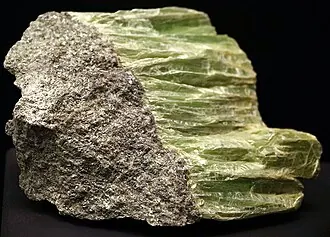
Serpentine — mineral specimen
Reference photograph: Tiia Monto, CC BY-SA 3.0 · source. Specimens in the shop vary.

Judging quality

Look for waxy lustre and rich mottled green. Serpentine is frequently sold as 'new jade'; it is softer and lighter than true jade.

Care

Soft and easily scratched. Wipe with a damp cloth. Fibrous varieties should not be sanded or cut dry.

History & lore

Serpentinite marks the seam where oceanic crust was scraped onto the continent — the geological signature of the Bay Area's own hills.

Cultural history, recorded as tradition rather than as medical or scientific claim.

Common questions about Serpentine

What is Serpentine?
A group of magnesium silicates named for their scaled, snake-like patterning. Californian serpentine is the state rock and forms the backbone of the Coast Ranges.
How hard is Serpentine and what is it made of?
Serpentine is a Silicate-family mineral with the composition Mg3Si2O5(OH)4. It crystallizes in the monoclinic system and rates 3-5 on the Mohs hardness scale. It occurs in green, yellow-green.
Where does Serpentine come from?
Notable localities for Serpentine include USA (California), Afghanistan, Italy, China.
How do you tell good Serpentine from filler?
Look for waxy lustre and rich mottled green. Serpentine is frequently sold as 'new jade'; it is softer and lighter than true jade.
How do you care for Serpentine?
Soft and easily scratched. Wipe with a damp cloth. Fibrous varieties should not be sanded or cut dry.

See it in person

Photographs only go so far

Both rooms are open six days a week, and there is always someone happy to pull pieces out of the case so you can compare them under the light.

Plan a visit
Share Serpentine