Judging quality
Color is best viewed down the length of the crystal. Look for clean, undamaged etched faces; kunzite cleaves perfectly in two directions and is genuinely difficult to cut.
Spodumene
Lilac-pink spodumene, strongly pleochroic so it shifts between pink and near-colorless as it turns. Afghan crystals are famous for their size and clarity.
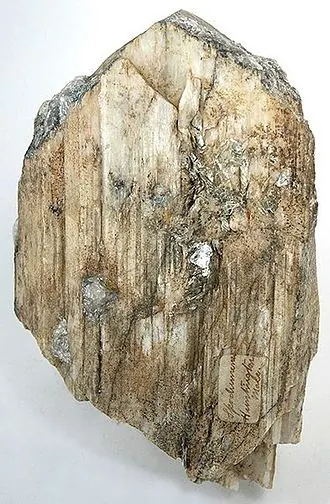
Color is best viewed down the length of the crystal. Look for clean, undamaged etched faces; kunzite cleaves perfectly in two directions and is genuinely difficult to cut.
Fades in sunlight and chips very easily. Display in low light and handle with care.
Identified in 1902 by George Kunz from material found in the pegmatites of San Diego County.
Cultural history, recorded as tradition rather than as medical or scientific claim.
See it in person
Both rooms are open six days a week, and there is always someone happy to pull pieces out of the case so you can compare them under the light.