Organic

Mother of Pearl

The nacre lining of pearl oysters and freshwater mussels, cut into plates and cabochons. A soft silvery-white with a slow moving sheen rather than the hard flash of abalone.
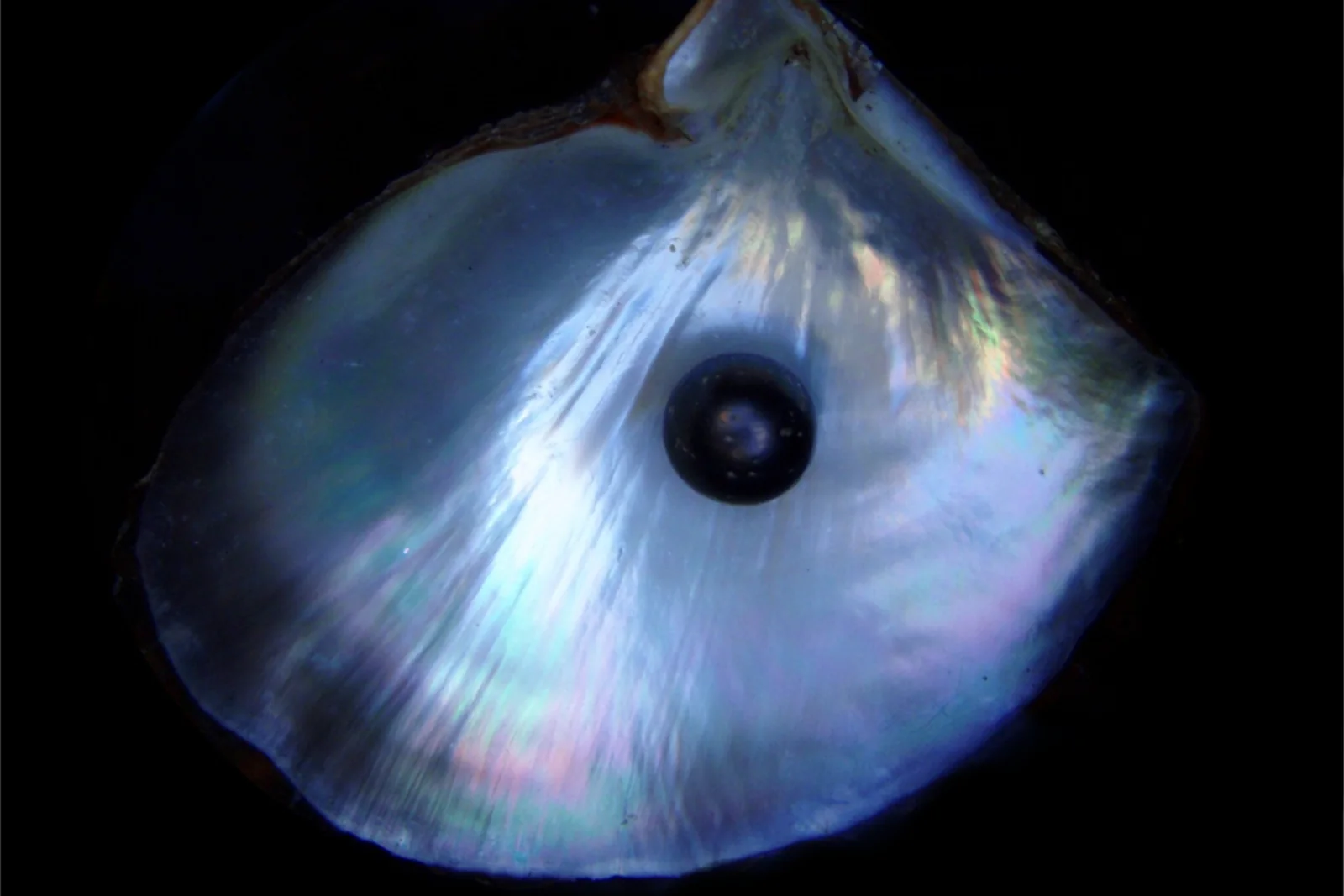
Mother of Pearl — mineral specimen
Reference photograph: Brocken Inaglory, CC BY-SA 3.0 · source. Specimens in the shop vary.

Judging quality

Genuine nacre feels slightly gritty against a tooth edge and shows fine parallel growth lines under magnification. Plastic imitations are perfectly smooth and warm.

Care

Avoid acid, perfume and ultrasonics. Wipe with a damp cloth and dry immediately.

History & lore

Nacre inlay runs through Ottoman furniture, Vietnamese lacquerware and Japanese raden work, all exploiting the same trick of stacked aragonite.

Cultural history, recorded as tradition rather than as medical or scientific claim.

Common questions about Mother of Pearl

What is Mother of Pearl?
The nacre lining of pearl oysters and freshwater mussels, cut into plates and cabochons. A soft silvery-white with a slow moving sheen rather than the hard flash of abalone.
How hard is Mother of Pearl and what is it made of?
Mother of Pearl is a Organic-family mineral with the composition CaCO3 (nacre). It crystallizes in the orthorhombic system and rates 2.5-4 on the Mohs hardness scale. It occurs in white, cream, iridescent.
Where does Mother of Pearl come from?
Notable localities for Mother of Pearl include Philippines, Australia, Tahiti, Mississippi River, USA.
How do you tell good Mother of Pearl from filler?
Genuine nacre feels slightly gritty against a tooth edge and shows fine parallel growth lines under magnification. Plastic imitations are perfectly smooth and warm.
How do you care for Mother of Pearl?
Avoid acid, perfume and ultrasonics. Wipe with a damp cloth and dry immediately.

See it in person

Photographs only go so far

Both rooms are open six days a week, and there is always someone happy to pull pieces out of the case so you can compare them under the light.

Plan a visit
Share Mother of Pearl