Judging quality
Cat's eye quality is judged by how tight and centred the eye is and how cleanly it snaps open and shut under a single light. Glass imitations show a soft, diffuse band.
Oxide
The third hardest gem mineral after diamond and corundum, and badly underrated. Ordinary chrysoberyl is a crisp yellow-green; the cat's eye variety cymophane shows a razor-sharp band of light from fine parallel inclusions.
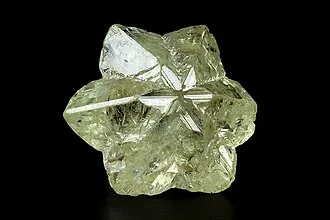
Cat's eye quality is judged by how tight and centred the eye is and how cleanly it snaps open and shut under a single light. Glass imitations show a soft, diffuse band.
Extremely durable. Warm soapy water is fine.
Sri Lankan cat's eye was a Victorian engagement stone after the Duke of Connaught gave one in 1878, briefly outrunning diamond in fashion.
Cultural history, recorded as tradition rather than as medical or scientific claim.
See it in person
Both rooms are open six days a week, and there is always someone happy to pull pieces out of the case so you can compare them under the light.