Tourmaline

Paraíba Tourmaline

Copper-bearing tourmaline with a neon blue-green glow unlike any other gem. Brazilian material from the original 1980s Paraíba workings commands a substantial premium over the chemically identical African stones.
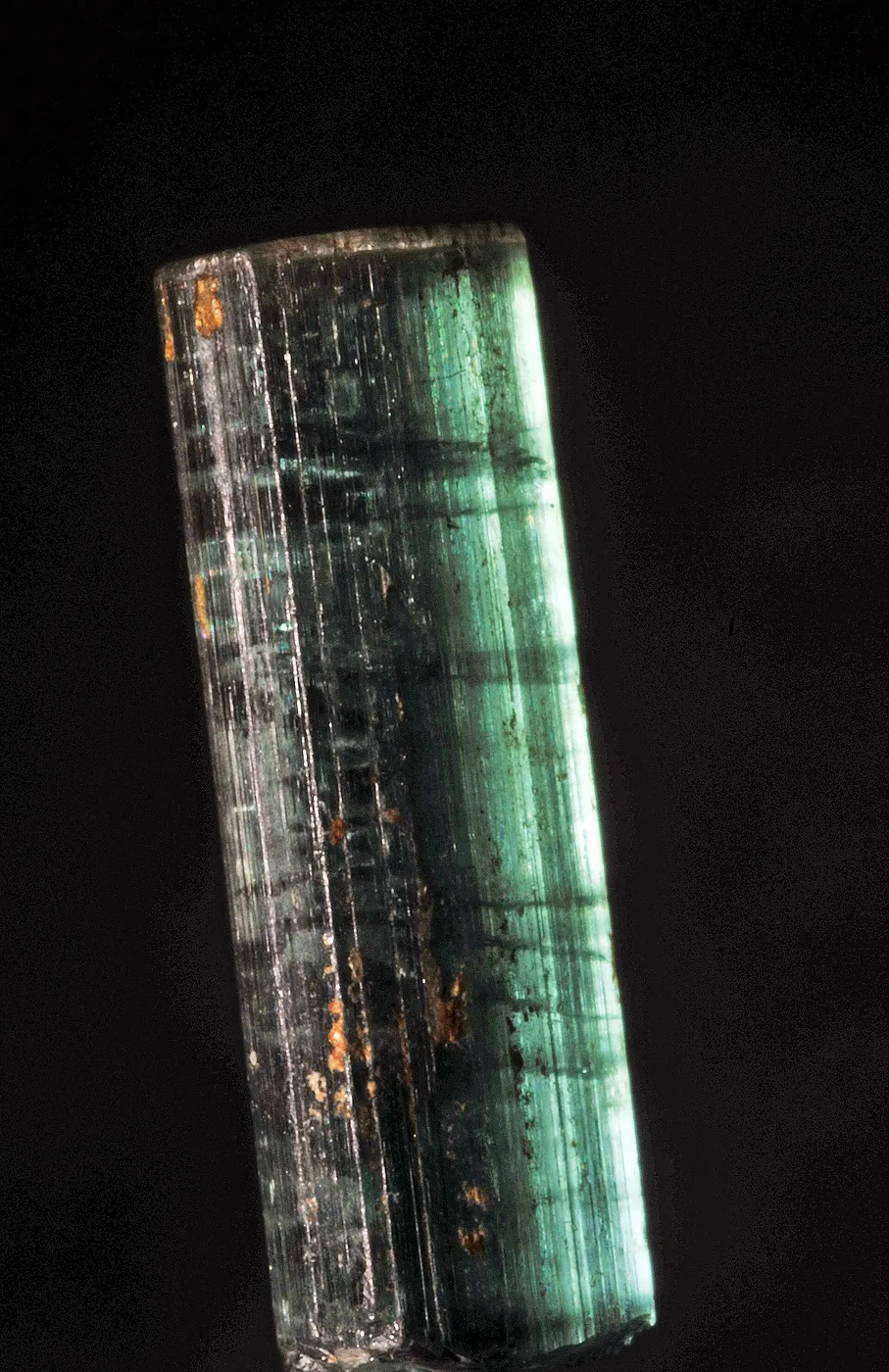
Paraíba Tourmaline — mineral specimen
Reference photograph: Parent Géry, CC BY-SA 3.0 · source. Specimens in the shop vary.

Judging quality

The color appears to emit rather than reflect light. Origin determination requires a laboratory; for stones of any size, ask for a report.

Care

Durable but valuable — protect settings, avoid ultrasonics.

History & lore

Heitor Dimas Barbosa dug the São José da Batalha hill for years on a hunch before hitting the deposit in 1989.

Cultural history, recorded as tradition rather than as medical or scientific claim.

Common questions about Paraíba Tourmaline

What is Paraíba Tourmaline?
Copper-bearing tourmaline with a neon blue-green glow unlike any other gem. Brazilian material from the original 1980s Paraíba workings commands a substantial premium over the chemically identical African stones.
How hard is Paraíba Tourmaline and what is it made of?
Paraíba Tourmaline is a Tourmaline-family mineral with the composition Cu-bearing elbaite. It crystallizes in the trigonal system and rates 7-7.5 on the Mohs hardness scale. It occurs in cyan, turquoise, electric blue.
Where does Paraíba Tourmaline come from?
Notable localities for Paraíba Tourmaline include Paraíba & Rio Grande do Norte, Brazil, Mozambique, Nigeria.
How do you tell good Paraíba Tourmaline from filler?
The color appears to emit rather than reflect light. Origin determination requires a laboratory; for stones of any size, ask for a report.
How do you care for Paraíba Tourmaline?
Durable but valuable — protect settings, avoid ultrasonics.

See it in person

Photographs only go so far

Both rooms are open six days a week, and there is always someone happy to pull pieces out of the case so you can compare them under the light.

Plan a visit
Share Paraíba Tourmaline