Judging quality
Pakistani material from high in the Kohistan region gives the finest large clean crystals. Look for pure grassy green without brown; oil in fractures is a common treatment.
Olivine
Gem olivine, one of very few gemstones that occurs in only one color. It arrives at the surface in basalt and, occasionally, inside pallasite meteorites.
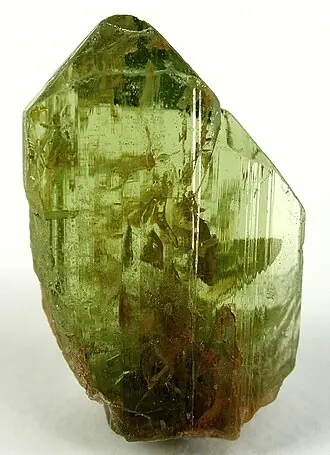
Pakistani material from high in the Kohistan region gives the finest large clean crystals. Look for pure grassy green without brown; oil in fractures is a common treatment.
Sensitive to acid and thermal shock. Clean with mild soapy water only.
Zabargad Island in the Red Sea supplied the pharaohs and later the Ottoman court; many 'emeralds' in old treasuries are peridot.
Cultural history, recorded as tradition rather than as medical or scientific claim.
See it in person
Both rooms are open six days a week, and there is always someone happy to pull pieces out of the case so you can compare them under the light.