Silicate

Andalusite

A strongly pleochroic gem that shows green, gold and red-brown simultaneously from different directions — cutters deliberately orient it to display all three at once rather than trying to eliminate them.
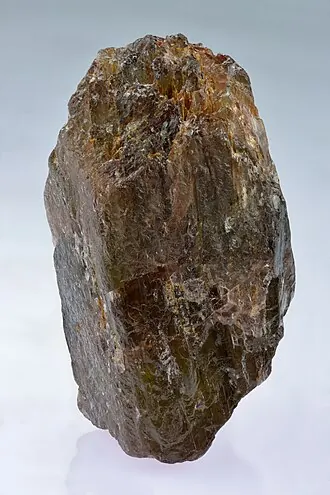
Andalusite — mineral specimen
Reference photograph: Wikimedia Commons · source. Specimens in the shop vary.

Judging quality

That mosaic of green and red-gold in a single stone is diagnostic. The variety chiastolite contains a dark carbon cross in cross-section.

Care

Durable enough for daily wear; ordinary cleaning.

History & lore

Chiastolite crosses were carried as pilgrim talismans in Galicia and Brittany and are still sold at Compostela.

Cultural history, recorded as tradition rather than as medical or scientific claim.

Common questions about Andalusite

What is Andalusite?
A strongly pleochroic gem that shows green, gold and red-brown simultaneously from different directions — cutters deliberately orient it to display all three at once rather than trying to eliminate them.
How hard is Andalusite and what is it made of?
Andalusite is a Silicate-family mineral with the composition Al2SiO5. It crystallizes in the orthorhombic system and rates 7-7.5 on the Mohs hardness scale. It occurs in olive green, brown, golden, red.
Where does Andalusite come from?
Notable localities for Andalusite include Brazil, Sri Lanka, Spain (Andalusia), Madagascar.
How do you tell good Andalusite from filler?
That mosaic of green and red-gold in a single stone is diagnostic. The variety chiastolite contains a dark carbon cross in cross-section.
How do you care for Andalusite?
Durable enough for daily wear; ordinary cleaning.

See it in person

Photographs only go so far

Both rooms are open six days a week, and there is always someone happy to pull pieces out of the case so you can compare them under the light.

Plan a visit
Share Andalusite